

The nursing profession remains one of Canada’s most in-demand career paths, offering both personal fulfillment and strong job security.
If you’re wondering how to become a registered nurse, you’re joining thousands of Canadians who are seeking clear answers about the education requirements, licensing procedures, and career pathways available in this essential healthcare field.
At Beal University Canada, we understand that navigating the journey to becoming a registered nurse can feel overwhelming. That’s why we’ve designed our programs to provide a streamlined, accessible pathway that eliminates common barriers while maintaining the highest educational standards.
Understanding the Role of a Registered Nurse in Canada
Before exploring how to become a registered nurse, it’s important to understand what this role entails. Registered nurses serve as the backbone of Canada’s healthcare system, providing direct patient care, administering medications, coordinating treatment plans, and advocating for patients and their families.
In Canada, registered nurses work in diverse settings including hospitals, community health centers, long-term care facilities, schools, and private practices. The profession requires a unique combination of technical knowledge, critical thinking skills, and compassionate care delivery.
The demand for registered nurses across Canada continues to grow, making this an excellent time to pursue nursing education. Healthcare facilities nationwide are actively recruiting qualified nurses, creating abundant opportunities for new graduates.
Step-by-Step Guide: How to Become a Registered Nurse in Canada
Understanding how to become a registered nurse in Canada involves following a clear sequence of educational and licensing steps. Here’s the complete pathway:
1. Meet Basic Educational Prerequisites
Before entering any nursing program, students must complete high school or equivalent education with specific course requirements. Most programs require:
- Grade 12 English
- Grade 12 Biology
- Grade 12 Chemistry
- Grade 12 Mathematics
2. Choose and Complete an Approved Nursing Program
The most critical decision in your nursing journey is selecting the right educational program. Traditional nursing programs typically take four years to complete, but innovative approaches like our accelerated format can significantly reduce this timeline.
3. Complete Clinical Training Requirements
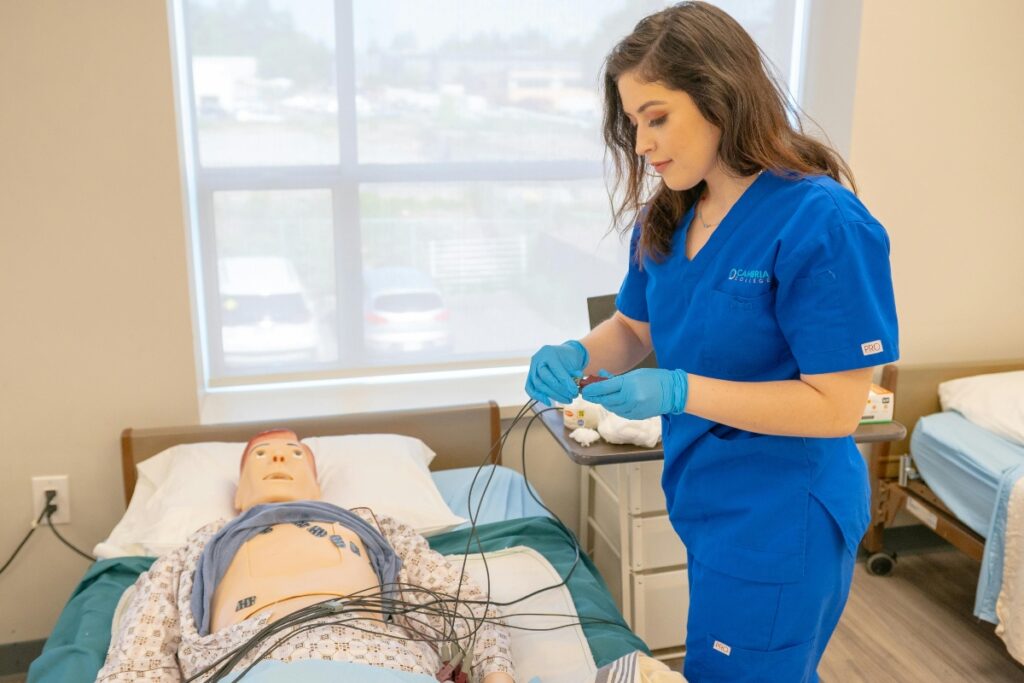
All nursing programs must include substantial hands-on clinical experience. This practical training allows students to apply classroom knowledge in real healthcare settings under professional supervision.
4. Graduate with Your Nursing Degree
Upon successful completion of your program, you’ll receive your Bachelor of Science in Nursing (BScN) degree, which is the standard requirement for registered nurse licensure across Canada.
5. Apply for Provincial Licensure
Each province manages its own nursing licensure process. You’ll need to apply through your provincial nursing regulatory body and meet their specific requirements.
6. Pass the National Council Licensure Examination (NCLEX-RN)
All provinces now require passing the NCLEX-RN examination, which tests the knowledge and skills needed for safe, effective nursing practice.
Traditional vs. Accelerated Nursing Education: Making the Right Choice
When considering how to become a registered nurse, prospective students face important decisions about program format and timeline. Understanding the differences between traditional and accelerated approaches helps you choose the nursing program that best fits your goals and life circumstances.
| Program Type | Duration | Learning Format | Clinical Experience | Enrollment |
| Traditional Programs | 4 years | Campus-based | Distributed over 4 years | Often waitlisted |
| Beal University Program | 30 months | Online + Campus | Intensive clinical placements | No waitlist |
Traditional nursing programs follow a standard academic calendar with lengthy breaks between semesters. While this approach works for some students, it can delay entry into the workforce by months or even years due to waitlists and extended timelines.
Our accelerated 30-month program addresses these challenges through an innovative educational model. Students can begin their studies online, starting immediately without waiting for campus availability. The program then transitions to hands-on clinical training at our Sackville, New Brunswick campus.
Beal University Canada’s Innovative Approach to Nursing Education
At Beal University Canada, we’ve reimagined nursing education to address the question of “How do you become a registered nurse” more efficiently and effectively. Our nursing program stands apart in several key areas.
The 8-Week Mod System
Our unique 8-week “Mod System” accelerates the traditional academic timeline while maintaining rigorous educational standards. This system allows students to focus intensively on specific subject areas, promoting deeper learning and faster progression through the curriculum.
Each module builds upon previous knowledge, creating a cohesive educational experience that prepares students for real-world nursing practice. The accelerated format lets you enter the workforce sooner while still receiving the same comprehensive education as traditional programs.
Online-to-Campus Learning Model
We recognize that many prospective nurses face geographical or scheduling barriers to traditional campus-based education. Our hybrid learning model begins with online coursework, allowing students to start their nursing education from anywhere in Canada.
This flexibility eliminates the need to relocate immediately while still ensuring students receive essential hands-on training. The transition to campus-based learning occurs at the optimal point in the curriculum when practical skills development becomes most critical.
Clinical Partnerships with Leading Healthcare Networks
Real-world clinical experience forms the foundation of excellent nursing education. We’ve established partnerships with two of New Brunswick’s premier healthcare networks: Horizon Health Network and Vitalité Health Network.
These partnerships provide our students with access to diverse clinical settings and mentorship from experienced healthcare professionals. Students gain exposure to various nursing specialties and patient populations, preparing them for successful careers across healthcare environments.
Provincial Licensure Requirements Across Canada
Understanding how to become a registered nurse in Canada requires knowledge of provincial licensing requirements. While the educational foundation remains consistent, each province manages its own regulatory process.
| Province/Territory | Regulatory Body | Key Requirements | Examination |
| New Brunswick | NANB | BScN degree, Criminal record check, References | NCLEX-RN |
| Ontario | CNO | BScN degree, Language proficiency, Good character | NCLEX-RN |
| British Columbia | BCCNP | BScN degree, Competency assessment, Registration fee | NCLEX-RN |
| Alberta | CRNA | BScN degree, Jurisprudence exam, Continuing education | NCLEX-RN |
Our program holds preliminary approval from the Nurses Association of New Brunswick (NANB), ensuring our graduates are eligible to apply for registered nurse licensure in New Brunswick. This approval represents recognition of our program’s quality and alignment with professional standards.
Graduates can also apply for licensure in other provinces through established reciprocity agreements, though additional requirements may apply depending on the destination province.
Benefits of Choosing an Accelerated Nursing Program
When exploring how to become a registered nurse, students should consider the advantages of accelerated education formats:
- Faster entry into the workforce: Graduate 18 months sooner than traditional programs
- Reduced educational costs: Shorter programs mean lower total tuition and living expenses
- Maintained quality: Accelerated doesn’t mean compromised – rigorous standards ensure excellent preparation
- Enhanced focus: Intensive modules promote deeper engagement with course material
- Career flexibility: Earlier graduation provides more options for specialization and career development
Overcoming Common Barriers to Nursing Education
Many prospective students face obstacles when considering how to become a registered nurse in Canada. We’ve designed our program to address the following challenges.

Waitlists and Limited Enrollment
Traditional nursing programs often maintain waitlists due to limited capacity. Students may wait months or years for admission, delaying career goals and creating uncertainty about educational timelines.
Our program offers open enrollment for Canadian citizens, permanent residents, and international students. This approach eliminates waitlist delays and allows motivated students to begin their nursing education immediately.
Geographic Limitations
Many excellent nursing programs are located in specific cities or regions, requiring students to relocate for education. This requirement creates financial and personal hardships for students with family or work obligations.
Our online-to-campus model addresses geographic barriers by allowing students to begin their education remotely. This flexibility supports students from across Canada while still ensuring they receive essential practical training.
Scheduling Conflicts
Traditional academic calendars may not accommodate students with work or family commitments. Rigid scheduling can prevent otherwise qualified candidates from pursuing nursing education.
The accelerated format and flexible learning options support students with diverse life circumstances, making nursing education more accessible to non-traditional students.
Preparing for Success in Your Nursing Program
Success requires preparation for the nursing program and commitment to your goals. Here are key strategies for prospective students:
- Research program requirements thoroughly before applying
- Develop strong study habits and time management skills
- Build foundational knowledge in science and healthcare
- Gain healthcare experience through volunteering or employment
- Connect with current nursing students and professionals for insights
- Prepare financially for educational expenses and potential relocation
Career Opportunities After Graduation
Graduating nurses in Canada enjoy diverse career opportunities across multiple healthcare settings. The skills developed through comprehensive nursing education prepare graduates for roles in:
- Acute care hospitals
- Community health centers
- Long-term care facilities
- Mental health services
- Public health departments
- Educational institutions
- Research organizations
- Private healthcare practices
The nursing shortage across Canada is another reason to pursue a nursing career, as it creates excellent job prospects for new graduates. Many healthcare facilities offer signing bonuses, competitive salaries, and comprehensive benefits packages to attract qualified nurses.
Continuing Education and Professional Development
Becoming a registered nurse marks the beginning, not the end, of your professional education journey. The healthcare field evolves continuously, requiring nurses to maintain current knowledge and skills throughout their careers.
Most provinces require continuing education credits for license renewal. These requirements ensure nurses stay current with best practices, new technologies, and evolving treatment protocols.
Advanced education opportunities allow experienced nurses to specialize in areas such as:
- Critical care nursing
- Pediatric nursing
- Mental health nursing
- Nurse practitioner programs
- Nursing leadership and administration
- Nursing education
Financial Considerations and Support Options
Understanding the financial aspects of nursing education helps students make informed decisions about their educational investment. Nursing programs require tuition payments, textbook purchases, equipment costs, and living expenses during the program duration.
However, multiple financial support options exist for nursing students:
- Government student loans and grants
- Provincial bursary programs
- Healthcare facility scholarships
- Professional association funding
- Part-time employment opportunities
The strong job market for registered nurses means graduates typically find employment quickly after licensure, allowing them to begin repaying educational investments while enjoying competitive salaries.
Start Your Nursing Career Journey Today
The path to becoming a registered nurse in Canada doesn’t have to involve lengthy waitlists, rigid schedules, or unnecessary barriers. At Beal University Canada, we’ve created an innovative, accessible program that gets you into the healthcare field faster while maintaining the highest educational standards.
Our 30-month Bachelor of Science in Nursing program combines the flexibility of online learning with essential hands-on clinical experience. With preliminary approval from NANB and partnerships with leading healthcare networks, our nursing university provides everything you need to succeed in your nursing career.
Don’t let another semester pass while you’re on a waitlist. Take the first step toward your nursing career with a program designed for your success.
Reach out to discover how we can help you become the registered nurse you’ve always wanted to be.