
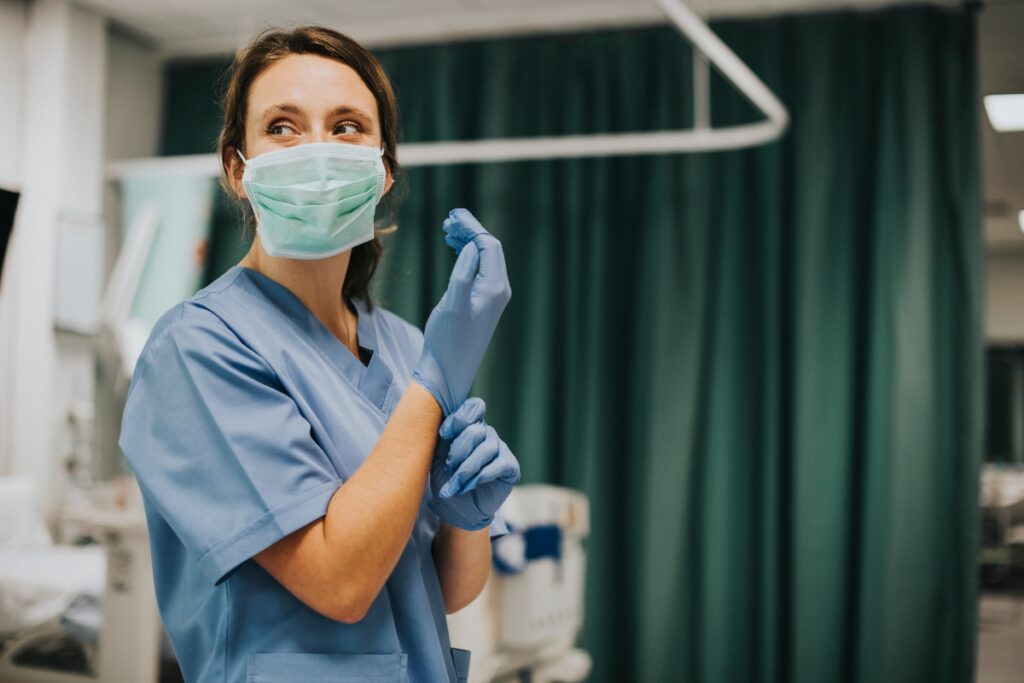
The healthcare landscape continues to expand, creating unprecedented opportunities for nurses to specialize in areas that align with their passions and professional goals. At Beal University Canada, we recognize that understanding different nursing specialties is crucial for prospective students making informed career decisions.
Nursing specialties are focused areas of practice in which nurses develop expertise in specific patient populations, healthcare settings, or clinical conditions. These specialized roles require additional training, certifications, and often years of experience to master.
We’ve designed our 30-month Bachelor of Science in Nursing program to expose students to various types of nursing specialties through comprehensive clinical rotations at Horizon Health Network and Vitalité Health Network facilities. This exposure helps students identify their interests and career paths early in their education.
Understanding the Foundation of Nursing Specialization
Before exploring specific nurse specialties, it’s important to understand how specialization works in nursing. Most nursing specialties require completion of a basic nursing education program, passing the NCLEX-RN examination, and obtaining licensure as a registered nurse.
Specialization typically occurs through additional education, certification programs, or extensive clinical experience in specific areas. Many nurses begin their careers in general medical-surgical units before transitioning to specialized areas.
At Beal University Canada, we prepare students for this journey through our innovative curriculum structure. Our clinical placements at facilities like Sackville Memorial Hospital provide hands-on exposure to specialized nursing units, allowing students to observe and participate in specialized care delivery.
Critical Care Nursing: High-Intensity Patient Care
Critical care nursing represents one of the most demanding and rewarding nursing specialties available to healthcare professionals. Critical care nurses work in intensive care units, emergency departments, and other high-acuity settings where patients require constant monitoring and immediate interventions.
Daily Responsibilities in Critical Care
Critical care nurses manage patients with life-threatening conditions, operate complex medical equipment, and collaborate closely with physicians and other healthcare providers. Their responsibilities include monitoring vital signs, administering medications, providing emotional support to families, and making quick clinical decisions.
These nurses must possess strong assessment skills, critical thinking abilities, and the capacity to remain calm under pressure. They often care for patients on ventilators, those recovering from major surgeries, or individuals experiencing cardiac events.
Educational Requirements and Career Advancement
Entry into critical care nursing typically requires completion of a Bachelor of Science in Nursing degree, though some positions accept Associate Degree in Nursing graduates with additional training. Most employers provide orientation programs lasting several months.
Advanced certifications through organizations like the American Association of Critical-Care Nurses enhance career prospects. Experienced critical care nurses may advance to charge nurse positions, clinical nurse specialists, or nurse practitioner roles specializing in acute care.
| Certification | Organization | Requirements |
| CCRN (Adult) | AACN | 1,750 hours of direct care experience |
| CCRN (Pediatric) | AACN | 1,750 hours of pediatric critical care experience |
| CCRN (Neonatal) | AACN | 1,750 hours of neonatal critical care experience |
Pediatric Nursing: Caring for Children and Families
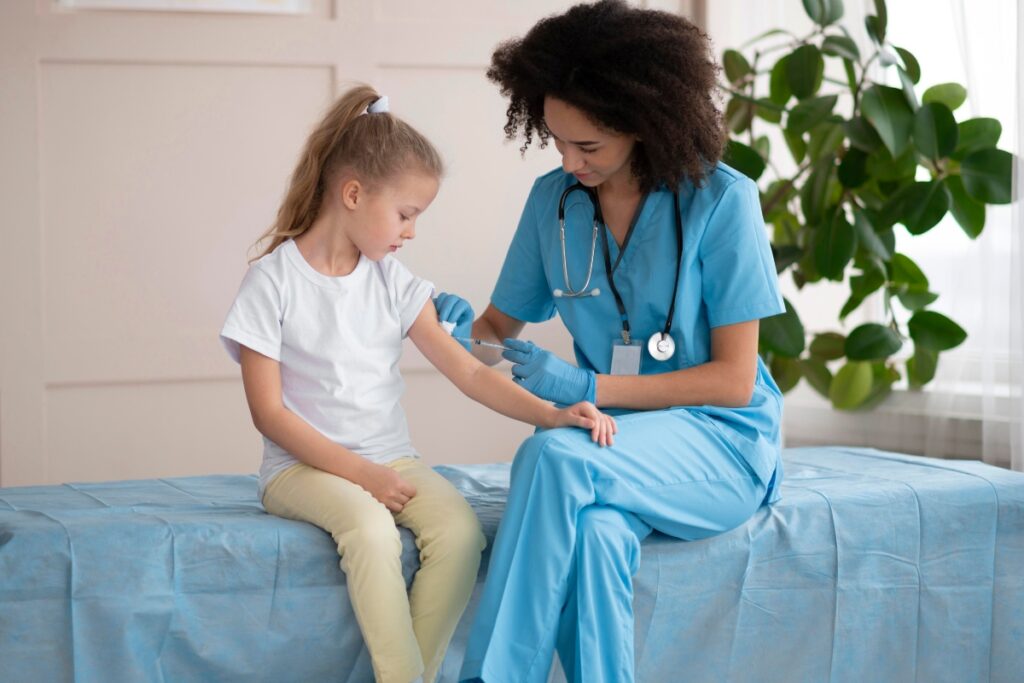
Pediatric nursing focuses on providing care to infants, children, and adolescents from birth through young adulthood. This specialty requires understanding child development, family dynamics, and age-appropriate communication techniques.
Pediatric nurses work in various settings, including children’s hospitals, pediatric units in general hospitals, outpatient clinics, and community health centers. They collaborate with pediatricians, child psychologists, and other specialists to provide comprehensive care.
Unique Aspects of Pediatric Practice
Working with children requires specialized skills in assessment, communication, and treatment approaches. Pediatric nurses must consider developmental stages when planning care and often work closely with parents and caregivers as partners in the healing process.
Medication calculations, equipment sizing, and treatment protocols differ significantly from those in adult care. Pediatric nurses must master these differences while maintaining a compassionate, child-friendly approach to healthcare delivery.
Career Pathways in Pediatric Nursing
Pediatric nursing offers numerous subspecialties, including neonatal intensive care, pediatric oncology, pediatric cardiology, and pediatric emergency medicine. Each subspecialty requires additional training and often specialized certifications.
Advanced practice opportunities include pediatric nurse practitioner roles, which require a master’s degree. These positions allow nurses to diagnose and treat common childhood illnesses, perform physical examinations, and prescribe medications.
Geriatric Nursing: Supporting Aging Populations
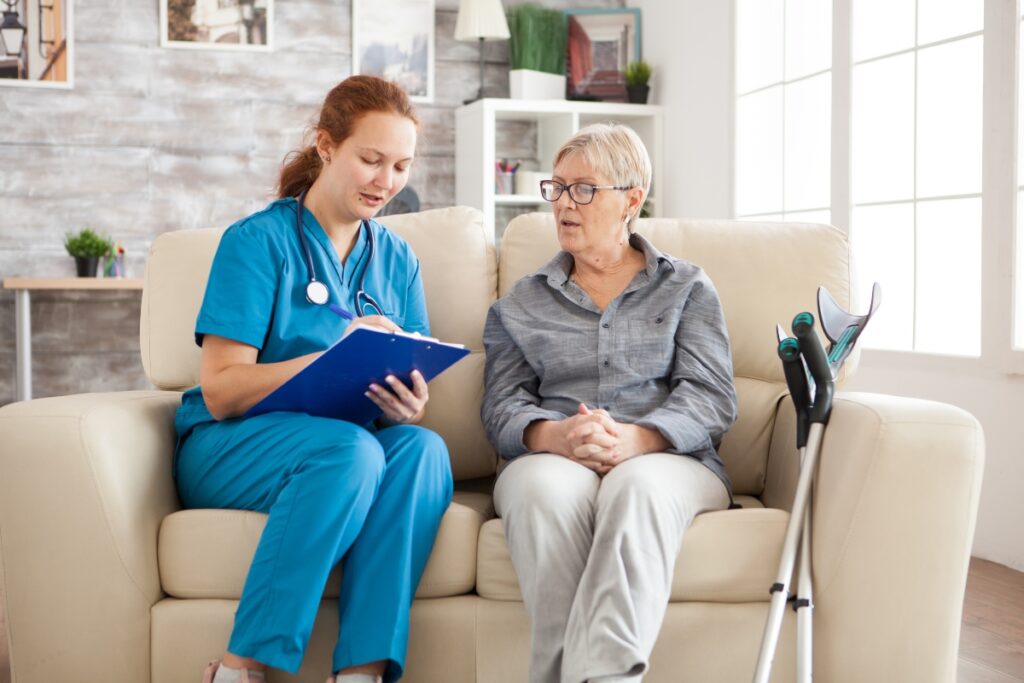
With Canada’s aging population, geriatric nursing has become increasingly important among different nursing specialties. Geriatric nurses specialize in caring for older adults, typically those over 65 years of age, addressing their unique health challenges and care needs.
Core Responsibilities in Geriatric Care
Geriatric nurses assess and manage chronic conditions common in older adults, including diabetes, heart disease, arthritis, and dementia. They focus on maintaining functional independence, preventing falls, managing medications, and promoting quality of life.
These nurses work in various settings, including long-term care facilities, assisted living communities, hospitals, and home health agencies. They often coordinate care among multiple healthcare providers and serve as advocates for their patients’ needs and preferences.
Specialized Knowledge Requirements
Geriatric nursing requires an understanding of normal aging processes, common age-related diseases, and appropriate interventions for older adults. Nurses must recognize that older patients may present symptoms differently from younger patients and may require modified treatment approaches.
Communication skills are particularly important when working with patients who may have hearing impairments, cognitive changes, or other age-related challenges. Geriatric nurses often provide education and support to family members involved in care decisions.
Mental Health Nursing: Addressing Psychological Wellness
Mental health nursing represents a growing field within nursing specialties, focusing on patients with psychiatric disorders, substance abuse issues, and emotional challenges. These nurses work in psychiatric hospitals, community mental health centers, outpatient clinics, and integrated healthcare settings.
Clinical Responsibilities and Patient Interactions
Mental health nurses conduct psychiatric assessments, develop therapeutic relationships with patients, administer psychiatric medications, and provide individual and group counseling. They work collaboratively with psychiatrists, psychologists, social workers, and other mental health professionals.
Crisis intervention skills are essential, as mental health nurses often encounter patients experiencing acute psychiatric episodes, suicidal ideation, or aggressive behaviors. They must maintain therapeutic boundaries while providing compassionate, non-judgmental care.
Educational Preparation and Specialization Options
While entry-level positions may be available to registered nurses with bachelor’s degrees, many employers prefer additional psychiatric nursing education or experience. Certification through the American Nurses Credentialing Center demonstrates specialized competency.
Advanced practice opportunities include psychiatric mental health nurse practitioner roles, which require master’s degree preparation. These positions allow nurses to diagnose mental health conditions, prescribe psychiatric medications, and provide psychotherapy.
Community Health Nursing: Population-Focused Care
Community health nursing emphasizes health promotion, disease prevention, and care coordination for populations rather than individual patients. These nurses work in public health departments, community clinics, schools, and home health agencies.
Population Health Focus
Community health nurses assess community health needs, develop health promotion programs, provide health education, and coordinate care for vulnerable populations. They often work with underserved communities, focusing on reducing health disparities and improving access to care.
These nurses may specialize in specific populations such as maternal-child health, school health, occupational health, or infectious disease control. They collaborate with community organizations, government agencies, and other healthcare providers to address public health challenges.
Skills and Qualifications
Community health nursing requires strong assessment skills, cultural competency, and understanding of social determinants of health. Nurses must be comfortable working independently and possess excellent communication and teaching abilities.
Many positions require bachelor’s degree preparation, with some employers preferring master’s degrees in public health or community health nursing. Certifications in public health nursing or community health are available through professional organizations.
Salary Expectations Across Nursing Specialties
Understanding compensation potential helps students make informed decisions about types of nursing specialties. Salaries vary based on geographic location, experience level, education, and certification status.
| Specialty | Entry Level (CAD) | Experienced (CAD) | Advanced Practice (CAD) |
| Critical Care | $65,000 – $75,000 | $80,000 – $95,000 | $95,000 – $120,000 |
| Pediatric | $62,000 – $72,000 | $75,000 – $90,000 | $90,000 – $115,000 |
| Geriatric | $60,000 – $70,000 | $72,000 – $85,000 | $85,000 – $105,000 |
| Mental Health | $63,000 – $73,000 | $77,000 – $92,000 | $92,000 – $118,000 |
| Community Health | $58,000 – $68,000 | $70,000 – $82,000 | $85,000 – $110,000 |
Certification Requirements and Professional Development
Professional certifications demonstrate expertise and commitment to excellence within specific nursing specialties. These credentials often lead to increased job opportunities, higher salaries, and greater professional recognition.
Common Certification Pathways
Most nursing specialty certifications require a combination of education, experience, and successful completion of a certification examination. Continuing education is typically required to maintain certification status.
The following steps outline the general certification process:
- Complete basic nursing education and obtain RN licensure
- Gain required clinical experience in the specialty area
- Meet any additional education requirements
- Apply for and take the certification examination
- Maintain certification through continuing education and re-certification processes
Benefits of Specialty Certification
Certified nurses often report increased job satisfaction, enhanced professional credibility, and improved patient outcomes. Many healthcare employers prefer or require specialty certification for certain positions, particularly in specialized units or advanced practice roles.
Certification also provides portable credentials that are recognized across different healthcare systems and geographic regions. This mobility can be valuable for nurses who relocate or seek new employment opportunities.
How Beal University Canada Prepares Students for Specialty Careers
At Beal University Canada, our hybrid 30-month BScN program strategically incorporates exposure to different nursing specialties through comprehensive clinical placements. We partner with Horizon Health Network and Vitalité Health Network facilities to provide students with authentic specialty experiences.
Clinical Rotation Structure
Our clinical rotations are designed to expose students to multiple specialty areas, allowing them to observe different patient populations, treatment modalities, and healthcare settings. Students participate in rotations through critical care units, pediatric departments, geriatric facilities, mental health services, and community health programs.
These experiences are supported by dedicated clinical instructors who help students connect theoretical knowledge with practical application. Students learn to adapt their nursing skills to different patient needs and healthcare environments.
Evidence-Based Practice Integration
Our curriculum emphasizes evidence-based patient care, critical thinking, and professional collaboration – skills essential for success in any nursing specialty. Students learn to evaluate research, implement best practices, and contribute to quality improvement initiatives.
This foundation prepares graduates to excel in specialized nursing roles and continue learning throughout their careers. The analytical and critical thinking skills developed in our program are particularly valuable when pursuing specialty certifications or advanced practice education.
Career Preparation and Professional Development
We provide career counseling and professional development opportunities to help students identify their interests and plan their specialty career paths. Our faculty members bring diverse specialty backgrounds and provide mentorship and guidance throughout the program.
Students receive preparation for the NCLEX-RN examination and guidance on pursuing specialty certifications and advanced education opportunities. We maintain relationships with healthcare employers throughout New Brunswick and beyond, facilitating job placement and career advancement.
Essential Skills for Nursing Specialty Success
Regardless of the chosen nursing specialty, certain core competencies are essential for success. These skills build upon the foundation provided in basic nursing education and are enhanced through specialty practice and continuing education.
Critical Thinking and Clinical Reasoning
Specialty nursing requires advanced critical thinking skills to assess complex patient situations, prioritize interventions, and evaluate outcomes. Nurses must synthesize information from multiple sources and make sound clinical judgments under pressure.
These skills are particularly important in critical care and emergency settings but are equally valuable in community health and long-term care environments. The ability to think systematically and analytically improves patient outcomes across all specialties.
Communication and Interprofessional Collaboration
Effective communication with patients, families, and healthcare team members is essential in all nursing specialties. Specialty nurses often serve as liaisons between different departments, coordinate complex care plans, and advocate for patient needs.
Cultural competency and sensitivity to diverse patient populations enhance communication effectiveness. Specialty nurses must adapt their communication style to different audiences and clinical situations.
Key Skills for Specialty Practice
- Advanced assessment and monitoring capabilities
- Specialized technical skills related to equipment and procedures
- Patient and family education abilities
- Leadership and delegation skills
- Quality improvement and research participation
- Ethical decision-making in complex situations
- Stress management and resilience building
- Continuing education and professional development commitment
Future Trends in Nursing Specialization
The healthcare industry continues evolving, creating new opportunities within nursing specialties and expanding existing roles. Technology integration, population health focus, and changes in healthcare delivery models are shaping the future of specialty nursing practice.
Emerging Specialty Areas
New nursing specialties are developing in response to healthcare needs and technological advances. Informatics nursing, telehealth nursing, and genetics counseling represent growing areas of opportunity for future nurses.
Quality and safety roles are expanding as healthcare organizations focus on improving patient outcomes and reducing medical errors. Nurses with specialty expertise are increasingly involved in leadership positions and system improvement initiatives.
Technology Integration
Electronic health records, telemedicine, and advanced monitoring systems are changing how specialty nurses deliver care. Nurses must develop technological competency while maintaining focus on patient-centered care and therapeutic relationships.
Artificial intelligence and predictive analytics are beginning to support clinical decision-making in some specialty areas. Nurses will need to adapt to these tools while maintaining their critical thinking and clinical judgment skills.
Making Your Specialty Choice
Choosing between different nursing specialties requires careful consideration of personal interests, career goals, and lifestyle preferences. Some specialties require shift work, on-call responsibilities, or high-stress environments, while others offer more predictable schedules.
Consider shadowing nurses in different specialties, volunteering in healthcare settings, and speaking with practicing nurses about their experiences. Clinical rotations during nursing school provide valuable exposure to different specialty areas and help inform career decisions.
Financial considerations, continuing education requirements, and advancement opportunities should also factor into specialty selection. Some specialties offer higher starting salaries but require significant ongoing education investments.
Start Your Nursing Specialty Journey Today
The diverse world of nursing specialties offers unlimited opportunities for professional growth, personal satisfaction, and meaningful contribution to healthcare. Whether you’re drawn to the fast-paced environment of critical care, the developmental focus of pediatrics, or the community impact of public health nursing, the right specialty awaits your discovery.
At Beal University Canada, we provide the educational foundation necessary to explore and excel in any nursing specialty. Our comprehensive clinical rotations, evidence-based curriculum, and experienced faculty prepare you for immediate entry into practice and long-term success in a specialty career.
Your journey toward nursing specialization begins with solid educational preparation and exposure to different practice areas. At our nursing university, we’re committed to helping you identify your passion and develop the skills necessary to make a lasting impact in your chosen specialty.
Ready to begin your path toward a rewarding nursing specialty career? Contact us to explore our comprehensive BScN program and discover how Beal University Canada can prepare you for success in the nursing specialty of your choice.