
Why Nursing Students in Sackville Are Choosing a Structured University Path
The decision to pursue a bachelor of science in nursing is one of the most significant a person can make. It shapes your career, your income, and the kind of impact you’ll have on patients for decades. In Sackville, where the Tantramar Health Centre on Main Street serves a wide regional population, the demand for trained nursing professionals is real and growing. That gap between community need and available qualified nurses is exactly why a structured, credential-focused university program matters here.
Students who commute along Main Street or Queens Road to reach campus know firsthand how central this part of New Brunswick is to the surrounding healthcare network. The proximity to actual health services means the clinical context of a nursing university education isn’t abstract. It’s tied to real community infrastructure that needs real graduates.
Choosing a BScN program over a shorter certificate course isn’t just about prestige. Registered nursing positions across most Canadian provinces now require a four-year degree as the minimum credential. Getting that degree from a program built around evidence-based practice, ethical reasoning, and clinical competency gives graduates a far stronger foundation than accelerated alternatives.
What the Local Area Tells Us About Healthcare Demand
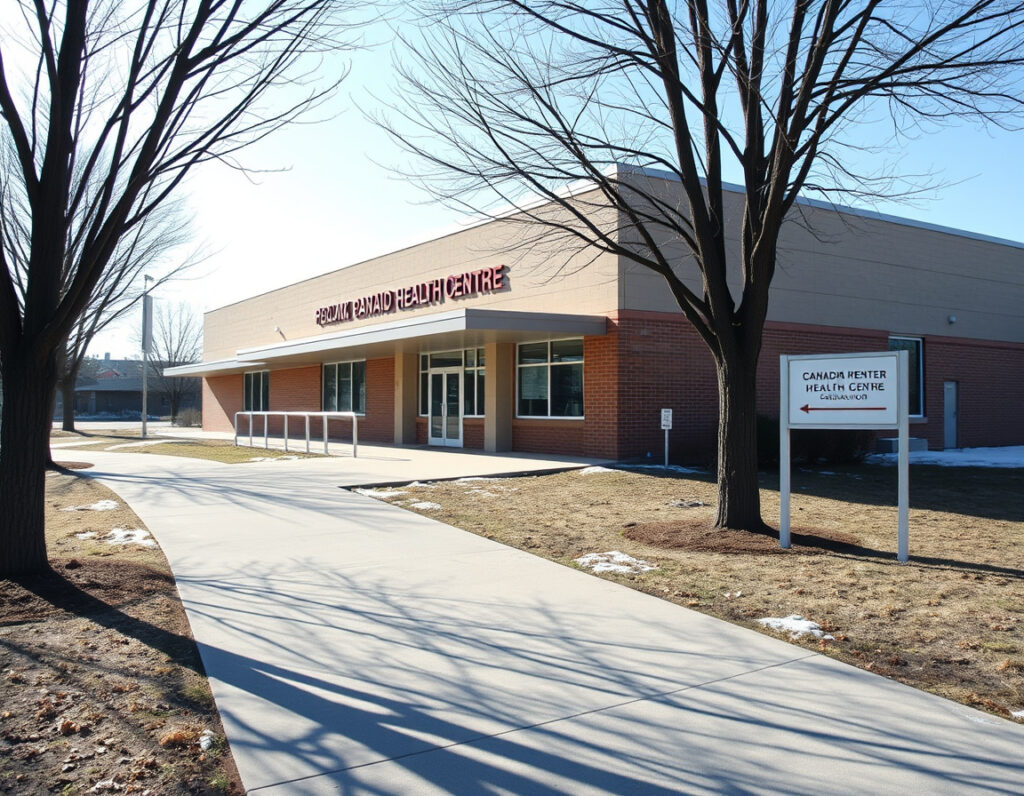
Sackville sits along the Trans-Canada corridor connecting New Brunswick’s south to Moncton and beyond. That geographic position means local health services absorb patients from rural communities that have limited access to urban hospitals. The Tantramar Health Centre, just steps from the Sackville Town Hall on Main Street, is a working example of this. It handles a patient load that reflects the region’s aging population and the steady flow of people from smaller communities to the east and west.
For nursing students, this context matters. Programs that acknowledge where their students will work, and what those workplaces actually need, produce graduates who are ready on day one. A bachelor’s in nursing grounded in both academic rigour and regional healthcare realities is what the area’s employers are looking for.
How a BScN Degree Compares to Other Nursing Education Options
There’s real confusion in the market about what different credentials actually mean. Practical nursing diplomas, registered nursing degrees, and various nursing colleges online offerings all promise pathways into healthcare. The differences are significant, and students deserve clarity before committing years and money to a program.
A BScN, or Bachelor of Science in Nursing, is the full four-year degree that qualifies graduates to write the NCLEX-RN and become Registered Nurses. Diploma-level LPN programs are shorter but restrict what roles you can hold. Online-only options may cover theory well but often struggle to provide the supervised clinical hours that provincial nursing regulatory bodies require.
The programs offered through the BScN program at Beal University Canada are built with those regulatory requirements in mind. Students can review the full admissions requirements to understand exactly what’s needed before applying, which removes a lot of the uncertainty that holds prospective students back.
Understanding the Academic Structure
The academic calendar for a four-year nursing degree typically covers foundational sciences in years one and two, with increasing clinical placement hours in years three and four. Subjects like pathophysiology, pharmacology, mental health nursing, and community health are not electives. They form the core of what a Registered Nurse needs to function safely.
Students near Mount Allison University on York Street will already be familiar with the rhythm of a university academic year. The structure of a bachelor of science in nursing follows similar semester patterns, but with the added layer of clinical scheduling that requires students to be flexible and organized. For tips on managing that workload, this guide for nursing students on staying organized covers practical strategies that work at the university level.
Prospective students can also consult the 2024 academic calendar to get a clear picture of course sequencing, important dates, and program milestones before committing to an application.
Financial Support Available for Nursing Students in the Area
Cost is the single biggest reason qualified candidates don’t complete a degree. A four-year university program is a serious financial commitment, and most nursing students are balancing tuition against living expenses, sometimes while supporting families. The good news is that financial support for healthcare-focused students in New Brunswick has expanded considerably.
Scholarships and bursaries are available specifically for students entering health sciences fields. Indigenous students, students from underrepresented communities, and those with demonstrated financial need often have access to dedicated funding streams that go beyond standard government loans. Beal University Canada offers several of these, including the BUC Institutional Scholarship and support through the Indigenous Student Bursary.
The full scholarships and bursaries page lists current funding options with eligibility criteria and application details. Students are encouraged to apply early, since many awards have fixed pools of funding.
Loan Forgiveness and Long-Term Financial Planning
Federal and provincial governments have introduced student loan forgiveness programs specifically targeting healthcare workers who agree to practice in rural or underserved areas after graduation. For nursing graduates from communities near the Boultenhouse Heritage Centre on Queens Road or who intend to work within the Tantramar region, these programs can effectively eliminate a significant portion of accumulated student debt.
The student loan forgiveness details page breaks down how those programs work and which graduates are most likely to qualify. It’s worth reading before signing any loan paperwork, since timing and field-of-practice decisions made during school can affect eligibility later.
Canada’s federal government also maintains resources through the Canada Student Financial Assistance Program, which outlines grant and loan options available to full-time university students across all provinces.

Frequently Asked Questions About Nursing University in Sackville
What is the difference between a BScN and an LPN diploma in terms of career opportunities?
A BScN, or Bachelor of Science in Nursing, qualifies graduates to become Registered Nurses, which opens access to a wider range of clinical settings, leadership roles, and specialization paths. An LPN diploma leads to a Licensed Practical Nurse designation, which has its own scope of practice but generally involves less independent clinical decision-making and lower earning potential. Most hospital and long-term care employers in New Brunswick prefer or require RN credentials for senior patient care positions. If your goal is long-term career growth in nursing, the four-year degree is the more strategic route.
Can I apply to a nursing university program if I’ve been out of school for several years?
Yes. Mature student applicants are common in nursing programs, and many universities, including Beal University Canada, have admissions pathways designed for students who didn’t come straight from high school. You may need to provide transcripts from any post-secondary work you’ve done, and some programs ask for a personal statement or essay as part of the application. Reviewing the admissions page is the best starting point for understanding what documentation applies to your situation.
Are there equity and diversity considerations in the nursing university admissions process?
Many nursing programs actively work to reflect the communities they serve, which means admissions processes often include specific questions or essay prompts related to equity, diversity, and inclusion. These aren’t hurdles. They’re opportunities for applicants to share relevant life experience that academic grades alone don’t capture. You can review the EDI admissions essay questions to understand what’s being asked and how to approach your response thoughtfully. The EDIA Committee page also provides context on the values the institution brings to its student community.
For students in Sackville and the surrounding Tantramar area who are serious about a career in nursing, the path to a registered nursing credential starts with choosing the right academic program. Beal University Canada is built around the needs of students who want that credential done properly. Visit the Sackville location page or go directly to the application portal to take the first step. The Town of Sackville’s community resources can also help new students settle into the area. Seats in each cohort are limited, and the sooner you apply, the more options you’ll have for scheduling, financial aid, and clinical placement preferences.